
August 2025 2 White – Cellar
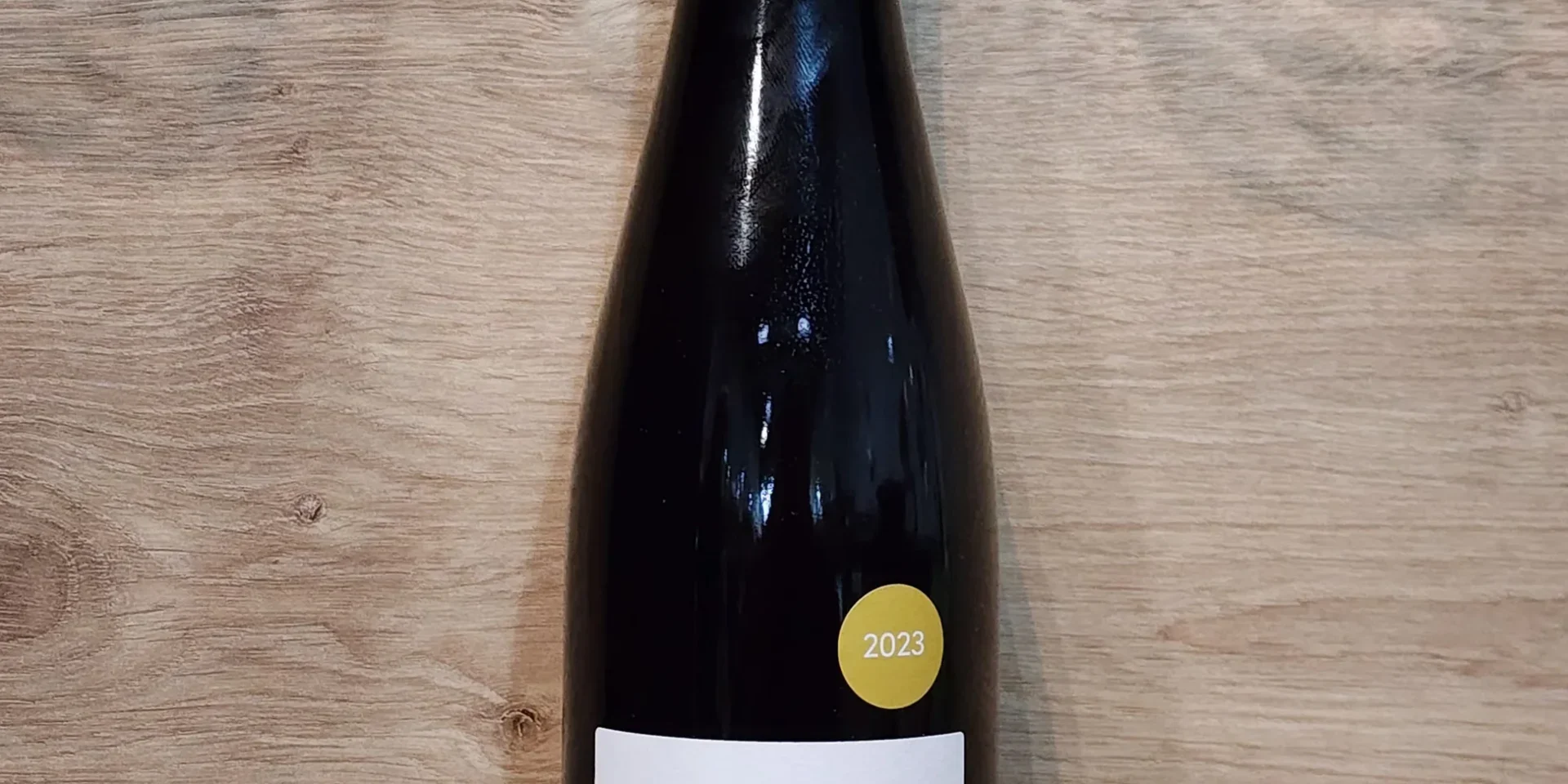
Melanie Pfister Paar Pinot Blanc / Melanie Pfister – 2023 – Pinot Blanc Paar
A classic dry Alsace white from Mélanie Pfister that’s a blend of Pinot Blanc with some Auxerrois for structure:
🍇 Tasting Notes
Appearance:
Pale straw yellow with hints of green and light brilliance in the glass — inviting and clean.
Nose:
Lifted and floral, with delicate white flowers, citrus zest (lemon and lime), and soft orchard fruit aromas like pear and baked apple. There’s a subtle touch of minerality and gentle beeswax perfume — classic cool-climate Alsace character.
Palate:
Dry and medium-bodied with a smooth, supple texture. Bright citrus (lemon peel), white stone fruit (ripe pear, peach), and soft floral notes carry through. The Auxerrois component adds depth and a creamy nuance, while the Pinot Blanc brings fresh acidity and finesse. A chalky mineral streak gives it tension and length on the finish.
Finish:
Medium-long, clean, and precise, with lingering citrus and mineral echoes — refreshing and food-friendly.
🍷 Style Summary
- Profile: Dry, balanced white with a mix of freshness, floral aromatics, and gentle richness.
- Aromas: Citrus blossoms, white flowers, pear, soft stone fruit.
- Flavors: Lemon zest, baked pear, subtle mineral notes.
- Structure: Crisp acidity, medium body, clean finish.
🍽️ Food Pairings
Pairs beautifully with seafood (grilled shrimp, scallops), light poultry dishes, creamy cheeses like Brie, quiche Lorraine, and mild Asian cuisine.
STOLPMAN UNI 2022
BALLARD CANYON 2022 60% Chardonnay / 40% Roussanne 1500 cases produced
VINEYARD
Components
Block 3 Roussanne
Block 3.5 Chardonnay
Harvest Date
Chardonnay September 14 & 24
Roussanne October 23 – November 9
WINERY
Vatting/Fermentation
Native fermentation, Roussanne spends 24 hours on crushed skins
Cooperage & Elevage
9 months in 25% new/ 75% neutral 500L French oak puncheons
13% Alc by Vol
VITICULTURE
Roussanne is named after the color of rust – and the grape’s trademark flavor concentration only emerges once the grapes turn a rust colored sun tan. In the vineyard, we pull the leaves away from the grapes to make sure the clusters get plenty of direct sunshine. Once the outside of the cluster turns gold, we hand rotate it 180 degrees to make sure the shaded interior side can tan as well. We then harvest the clusters based on skin color. Chardonnay is picked from the Estate intentionally early to ensure high acidity.
AN UNTRADITIONAL BLEND
Roussanne might be the richest, most decadent white grape in the world of wine. Ripe fruit intensity, and a coating, thick mid-palate deliver a hedonistic “wow” factor not often found in white wines. Because Roussanne spends months ripening on the vine, slowly developing its signature flavor concentration, the tart acidity of the grape often dwindles by harvest time. At Stolpman, we decided zesty Chardonnay would be the perfect blending compliment. The Chardonnay lends a structured back-bone that refreshes the palate once the Roussanne’s up-front wave of flavor ebbs. Tasting the potential blend, we fell in love. The wine delivered such intensity, but, thanks to the Chardonnay, the refrained elegance of a fine wine. Apart from the inviting flavor profile – orange blossom, honeysuckle, meyer lemon – we became obsessed with the wine’s texture. Bound within the creaminess lay a world of jasmine, tropical guava, pear and marzipan. Unanimously, we voted to capture the magic as is, without fining, filtration, or any other settling we wanted to bottle the slightly hazy “nigori style” profile without stripping anything away. The sum total of Uni White – Roussanne’s flavor intensity + rich mouth-filling unfiltered texture + the zip of Chardonnay >>> combine to create a unique wine that can pair with a variety of dishes. Like an unfiltered Sake, Uni White’s textures highlight the delicate, pristine notes of raw fish. Its boldness also stands up to more intense proteins, even red meats.
WINEMAKING
The Roussanne portion of Uni White spent 24 hours soaking with the grapes’ crushed skins – in an effort to absorb additional layers of texture from the solids. The wine aged in large French oak 500 liter barrels for 9 months. 25% of the barrels were new, unused. The new oak imparts a subtle toast element to the wine’s profile. As we combined the Chardonnay and Roussanne into the bottling tank, no effort was made to strain the solid lees (sediment), and we immediately bottled to capture the haziness before settling. Although some of the solids fall to the bottom of the bottle, the extended bottle aging on top of these solids allows for a further evolution in tactile profile. The wine is meant to continue to develop savory complexity in bottle.